
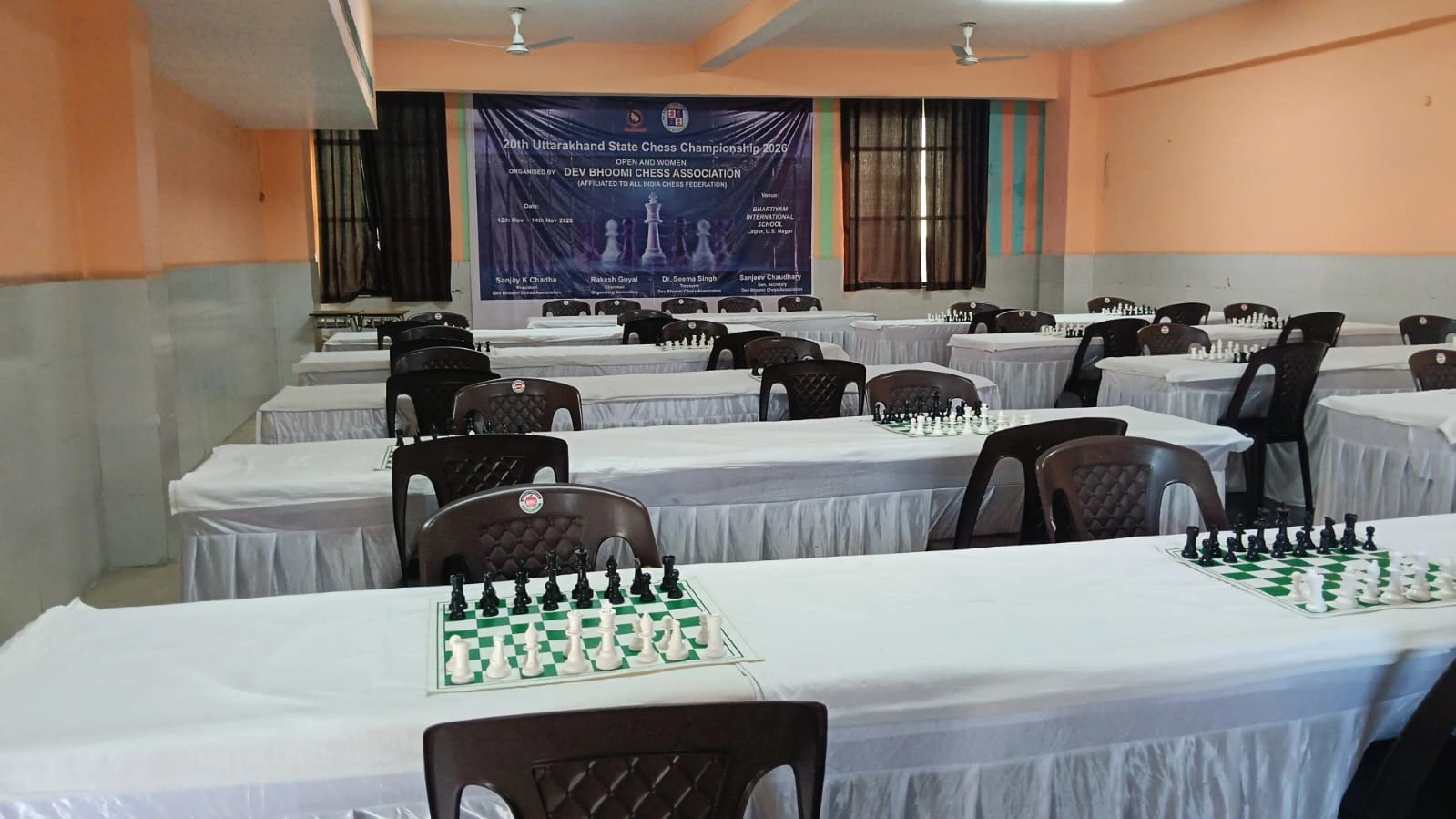
Stepping into a tournament hall for the first time is exciting—and a little nerve-wracking. Unlike casual games at home or fast online blitz matches, over-the-board (OTB) tournaments test your stamina, focus, and discipline over several hours.
At Mastermind Chess Academy, we help students transition smoothly from casual players to confident competitors. Whether you are preparing for your very first local rapid event or aiming to gain your first FIDE or AICF rating, use this 7-step tournament checklist to play your best chess.
1. Stick to Openings You Already Know
The week before a tournament is not the time to learn a brand-new opening repertoire. Review the main lines you already play with both White and Black, focusing on understanding the plans and typical middlegame structures rather than memorizing 20 moves of computer theory. Confidence in familiar positions saves valuable clock time early in the game.
2. Practice with a Real Chess Clock
Many beginners lose winning positions simply because they run out of time. Practice games at the exact time control of your upcoming event (such as 15+10 for Rapid or 60+30 for Classical). Build the habit of pressing the clock with the same hand you used to move the piece, and always keep your score sheet updated if notation is required.
3. Sharpen Your Tactics Daily
Most amateur tournament games are decided by two- or three-move tactical blunders rather than deep positional strategy. Solve 15 to 20 tactical puzzles every day in the two weeks leading up to the event. Prioritize accuracy over speed—force yourself to calculate the entire variation before checking the answer.
4. Review Essential Endgames
Nothing hurts more than outplaying an opponent for two hours only to draw—or lose—a basic endgame. Make sure you can confidently execute King and Pawn vs. King opposition, basic Rook and Pawn endgames, and fundamental checkmates (King + Queen and King + Rook).
5. Master the "Blunder Check" Habit
Tournament nerves can cause even strong students to overlook simple threats. Train yourself to pause for five seconds before every move and ask three questions: What did my opponent's last move threaten? Are any of my pieces undefended? Does my intended move walk into a fork, pin, or back-rank mate?
6. Prioritize Rest and Nutrition Over Last-Minute Cramming
Chess is physically demanding, and sitting at a board for multiple rounds burns serious mental energy. The night before, stop studying by evening, pack your bag (two pens, water bottle, light snacks, and your AICF/FIDE registration details), and get a full night's sleep. Between rounds, avoid heavy sugary foods and take a short walk outside the playing hall to reset your mind.
7. Focus on Process, Not Just Results
Every great player loses tournament games. If you suffer a tough loss in an early round, take a deep breath, step away from the board, and reset before the next game. Treat every match—win, draw, or loss—as material to analyze with your coach afterward.
Ready to Train Like a Competitor?
At Mastermind Chess Academy, guided by coach Pramod Kumar Satyawali, our structured tournament preparation programs give players the tactical sharpness, endgame mastery, and mental resilience needed to succeed over the board. Contact us today to book a tournament prep evaluation.